


It is the time of year for countdowns, and I wanted to participate, so these are the top 10 articles posted on the Fight of Faith in 2023 based on web traffic. Before I jump in, I must thank many who regularly share articles from this blog. The partial list below shows why this site continues to grow. Thank you to you all.
- Tim Challies – For linking in the A La Carte. Where would so many of us bloggers be without you?
- The Aquilla Report – For regularly including articles on your site.
- Hal Lindsey – For linking in your “Breaking News” section.
- Monergism – For including articles in your latest links.
- Moody Radio – Specifically, Kurt and Kate Mornings, thank you for bringing Rob and me on to discuss some of our articles.
And, of course, so many more of you who share on social media and in other ways.
Now for the top 10 of 2023.
10. 4 Aspects of Being Made in the Image of God

This article explores the theological concept of Imago Dei, asserting that being created in God’s image involves possessing communicable attributes. It identifies four key categories: rationality, emphasizing cognitive and creative abilities; spirituality, highlighting existence beyond the physical; morality, stressing an inherent moral compass; and sociality, underscoring the human need for relationships mirroring God’s trinitarian nature.
9. How to Respond to False Accusations

Rob Golding delves into the emotional turmoil of false accusations, drawing parallels between personal experiences and biblical narratives. He emphasizes the profound impact of baseless charges on individuals, likening them to a persistent irritant. Contrary to instinctual defensiveness, Rob suggests embracing humility, citing King David’s response to a grievous curse as an example. The article contends that enduring false accusations with patience may invite divine pity and divine mercy.
8. Distinguishing Judgment from Godly Reproof
This article critically examines the often misinterpreted Bible verse “Do not Judge” (Matt. 7:1), highlighting its misuse to stifle Godly reproof and criticism. It argues that the command doesn’t forbid correction but warns against hypocritical judgment. Emphasizing the need for self-awareness and humility, the article distinguishes between three approaches to rebuking others with God’s word, asserting that only the one grounded in recognizing shared moral standards and mutual shortcomings reflects Christ’s intent. It concludes with a biblical directive to correct opponents with gentleness and patience.
7. Christian, There is Blood on Your Armor

This story depicts the journey of a Christian soldier whose armor bears the scars of battles, both external and internal. Initially idealistic, the soldier faced unexpected challenges, betrayals, and personal struggles. Despite failures, the armor, symbolic of faith and salvation, remains steadfast. The soldier’s resilience and strength, rooted in the Holy Spirit, illustrate the transformative power of faith. The narrative concludes with a triumphant call to face the ultimate enemy, death, with confidence in the victory secured by Christ.
6. What Things?

This article explores a profound moment on the road to Emmaus, focusing on Jesus’s question, “What things?” It unfolds against the backdrop of the disciples’ grief on resurrection Sunday, with Jesus intentionally concealing his identity. It highlights the significance of Jesus’s calm response, revealing the victorious completion of his sacrificial ordeal. The article draws parallels between Jesus’s nonchalant question and believers’ freedom from the accusations of sin, emphasizing the transformative power of Christ’s finished work on the cross.
5. Bowing to Ungodly Pressures

This article expresses concern about some churches and Christian institutions being hesitant to boldly proclaim truth, particularly in the face of cultural pressures on issues of sexual identity and gender. Drawing a parallel with churches behind the Iron Curtain during communism, it emphasizes the need for wisdom and courage in addressing cultural lies and promoting biblical views. The article critiques instances where churches tone down teachings to avoid social pressure, potentially compromising the clear exposition of scriptural truths. It encourages believers to speak the truth in love while there is still freedom to do so.
4. Those Who Walk in Pride
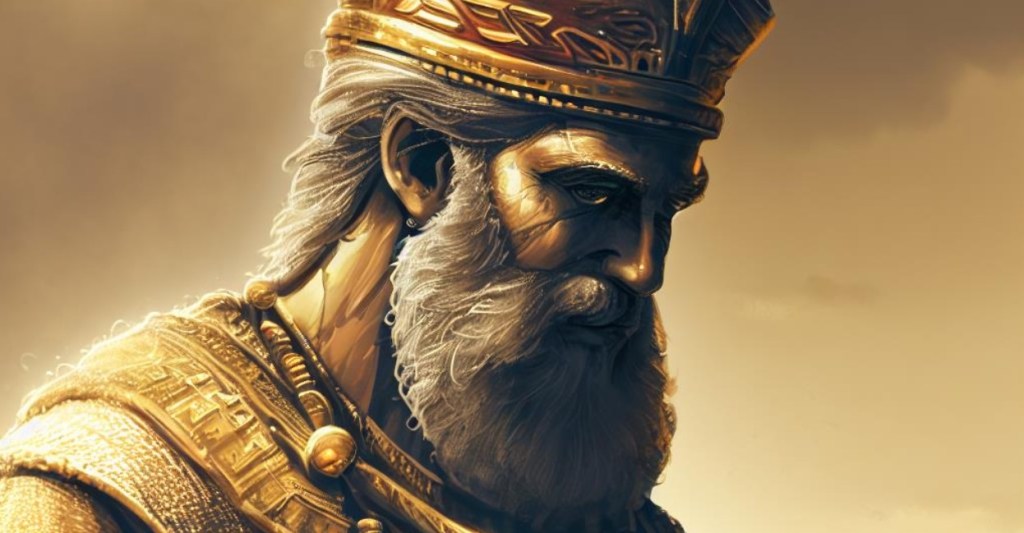
Pride, deemed a form of insanity, distorts reality by causing individuals to forget their accomplishments and abilities are gifts from God. It references King Nebuchadnezzar’s biblical account, demonstrating that even great power can be humbled by divine intervention. The article asserts that humility is a God-given gift, emphasizing the need to acknowledge dependence on Him. Ultimately, those who walk in pride, he is able to humble.
3. 3 Ways to Combat Spiritual Weariness

This article addresses spiritual weariness, emphasizing reliance on God’s sovereignty and care. Drawing inspiration from Christ’s example, it highlights the need for rest in His work and strength through the Holy Spirit. Encouraging believers to find support in the Body of Christ, it underscores the role of worship and shared burdens for renewal.
2. Moses, the Mountain, and a Mass of Email

Rob Golding questions the modern obsession with “self-care,” contrasting it with a time when hard-working individuals focused on their tasks. He highlights the contemporary burden of being constantly connected and informed, akin to aspiring godhood. Drawing from Moses’ example, Rob underscores the importance of seeking God’s wisdom over prematurely addressing worldly concerns, emphasizing proper self-care as rooted in communion with God.
1. Revival and Bad Theology
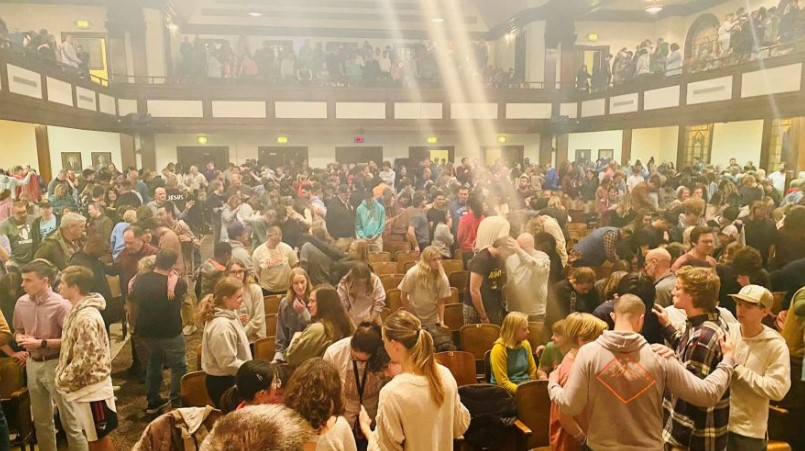
This article explores the debate surrounding the revival at Asbury University earlier this year, with some critics expressing concerns about theological imprecision and doctrinal issues. It contends that expecting flawless theology during a revival is unrealistic, drawing parallels with Martin Luther’s early theological journey, where he initially had inaccuracies in his 95 Theses. The article emphasizes the ongoing process of theological maturity and encourages discernment, recognizing that genuine moves of the Holy Spirit can occur despite imperfections and theological variations.
Happy New Year!
-D. Eaton
 The Fight of Faith