

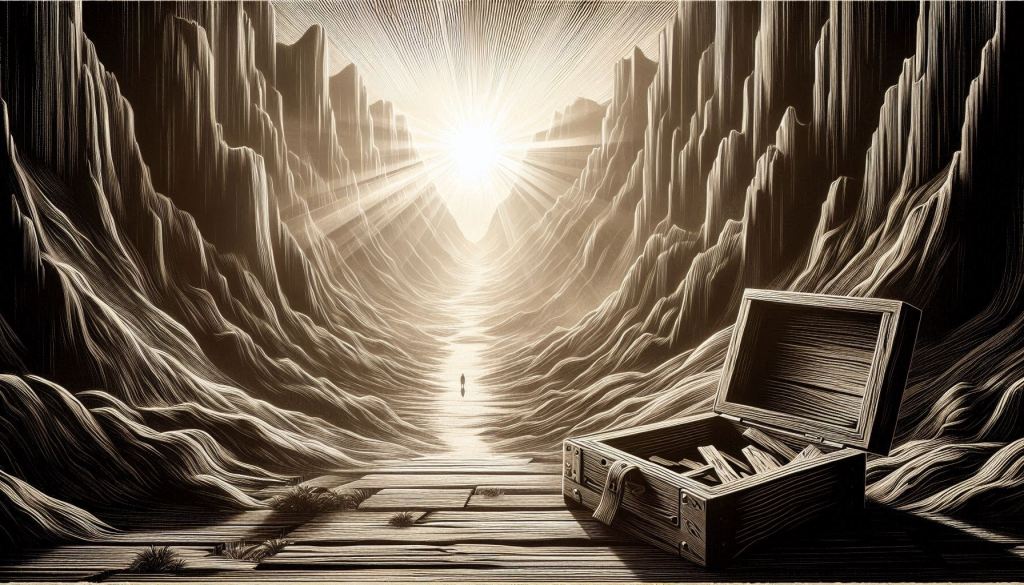
We have an infinite God who is beyond our control, but because that feels unsafe, we often remake him in our own image. In the book None Greater, Matthew Barrett says many of us have domesticated versions of God. We have explained away all the edges that shock us, but these small views of God leave little room for worship and awe as we approach him.
The concept of a domesticated God ran through my mind this week as I read through the ten plagues in Egypt. God does not fit into our finely crafted boxes. He tells Moses and Aaron to ask Pharoah to free the Hebrews and promises them that Pharoah will do it, but then he hardens Pharoah’s heart so he will refuse their request. We often expect God to work in clean lines, but his thoughts are higher than ours, and he is accomplishing more than we could ever expect or imagine.
It is true that God has revealed himself in his word and will never contradict his self-revelation. Still, those truths challenge us and show us we are not in control, making us feel vulnerable—so we reinterpret his self-revelation to fit our preferred notions. We have never been in control. Any idea that we are sovereign is an illusion created by the small boxes we have crafted to domesticate our great God. However, we are never more in danger than when we think we can control God, and the Christian is never safer and more blessed than when he lets God be God and trusts him.
If your life is going smoothly, you might begin to believe you have figured out some formula to receive the blessings of God. Still, there is a good chance that your understanding of blessings is rooted too deeply in personal peace and affluence, as Francis Schaefer used to say. God will not stay in these boxes for long. He will show us who he is, and those lessons often come at the cost of our personal peace and affluence.
Challenges will come, and like God hardening the heart of Pharaoh so he would not let Israel go, God is orchestrating everything. He sends us in with promises, which we often reinterpret within our small boxes, and then he proceeds to shock us at every turn.
He is with us in supernatural ways, but he often allows the false magicians to mimic him, causing us to become perplexed. This perplexity is usually the result of our domesticated views of God beginning to crumble. Eventually, when dealing with Pharoah, God shows himself to be greater than the false magicians, but he continues to harden Pharaoh’s heart so the struggle will continue. It is not until the conclusion of our ordeal that we realize God is sovereign from beginning to end. He often lifts up his enemies so they can show their full power before he overcomes them, which troubles us. He rarely does what we expect him to do, but he is good, and we can trust him.
After a troubling experience like this, not only does God set us free from the slavery of our small-God views, but like the Hebrews leaving Egypt, he thrust us out of our domesticated-God boxes and need for control, heaping us with blessings that overshadow our desire for personal peace and affluence. God will continue to surprise us, but now we have an expanded view of his magnificence. Our false views of a domesticated God made in our image have fallen like the Gods of Egypt. As CS Lewis said of God, “He is not safe, but he is good.” We must learn to leave our boxes behind and walk in the greatness and glory of knowing him.
D. Eaton
 The Fight of Faith
God I pray that you may give me understanding to understand you more and more.
LikeLike